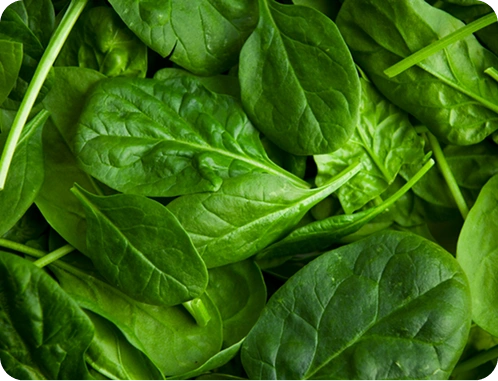
When it comes to nourishing our pups, it’s only natural to question which human foods are safe—and even beneficial—for them. One leafy green that frequently comes up in the conversation is spinach. But is spinach good for dogs?
“Yes, like other leafy green vegetables, spinach is an ingredient that can be safely incorporated into a dog’s diet,” confirms Dr. Sally Perea, DVM, MS, DACVIM (Nutrition). Spinach can offer several health benefits for dogs when given in moderation, including supporting bone health and the immune system. But before you toss a handful of greens into your dog’s bowl, it’s important to understand the nutritional benefits and the potential risks. Let’s explore everything you need to know about feeding spinach to your dog.
Can Dogs Eat Spinach?
Yes, dogs can eat spinach—as long as it’s fed in moderation and prepared properly. While spinach is packed with beneficial nutrients, too much of it can cause health issues due to naturally occurring compounds like oxalates.
When served in small, occasional portions and cooked (not raw), spinach can be a healthy supplement to your dog’s diet. In fact, spinach is included in some Nom Nom recipes due to its nutritional profile, and the ability to add healthy variety to a complete and balanced meal. “Variety in the diet is important because it allows you to utilize the best of each ingredient while not over doing it,” Dr. Perea shares,

Nutritional Benefits of Spinach for Dogs
Spinach is a nutrient-dense vegetable, offering a variety of vitamins and minerals that can contribute to overall canine wellness. “Spinach has similar benefits to a dog as in humans. It is rich in iron and antioxidants, and can be a good source of dietary fiber,” Dr. Perea says.
Incorporating spinach (responsibly) into your dog’s diet can support everything from digestion to immune function.
Vitamin K
Vitamin K can play a role in helping your dog maintain strong bones, and contribute to proper blood clotting. It may be beneficial to active or aging dogs who need extra bone support.
Vitamin A
This fat-soluble vitamin supports your dog’s vision, promotes healthy skin and coat and supports immune function and cellular growth. This can be especially important for puppies and senior dogs.
Vitamin C
As an antioxidant, vitamin C helps fight harmful free radicals in the body and can reduce inflammation. It also supports the immune system, which is essential for dogs of all life stages.
Antioxidants and Anti-inflammatory Properties
Spinach is rich in antioxidants like beta-carotene and lutein, which may help neutralize free radicals and reduce inflammation. These compounds support long-term cellular health in dogs.
Fiber Content
The fiber in spinach supports digestive health and can help regulate bowel movements. It can also promote a feeling of fullness, which is beneficial for weight management—especially in less active or overweight dogs.
Trace Minerals
Spinach contains trace minerals such as copper and magnesium. Copper is essential for red blood cell production, while magnesium supports enzyme function and nerve and muscle health.
How to Safely Feed Spinach to Your Dog
“Like any new foods, spinach should be introduced gradually to a dog’s diet,” Dr. Perea advises. “Cooking the spinach can aid in digestion and the ability to absorb the nutrients. Spinach is a source of oxalates, so some dogs prone to calcium oxalate stones may want to limit quantities of spinach in the diet. As always, if your dog has any medical conditions, it is always best to discuss new foods to get your veterinarian’s guidance.”
To stay on the safe side, follow these basic guidelines:
-
Serving size: A tablespoon or two for small dogs, and a few more for larger breeds.
-
Cook it first: Lightly steam or blanch the spinach to reduce oxalate levels and improve digestibility. Avoid seasoning or adding oils.
-
Avoid raw spinach: Raw spinach is harder to digest and contains higher levels of oxalates.
-
Keep it occasional: Spinach should complement your dog’s balanced diet—not replace it.
Always consider your dog’s size, age, breed and health conditions when introducing new foods.
How Can I Add Spinach to My Dog’s Diet?
If you’re looking for a safe and convenient way to include spinach in your dog’s meals, consider dog food brands that are expertly formulated and portioned. “As a nutritional philosophy, vegetables are incorporated into all Nom Nom formulas, such as Chicken Cuisine, to provide fiber and natural sources of vitamins, minerals, and antioxidants,” Dr. Perea shares. “Spinach is a nutrient rich vegetable that is accepted well by many dogs, so it is common to see it across different Nom Nom recipes.”

Complement Your Dog’s Diet With Spinach
Spinach can be a healthy addition to your dog’s diet when served responsibly. It’s full of vitamins, antioxidants and fiber that support everything from bone health to digestion. However, because of the potential risks associated with oxalates, it’s best served in small amounts and under the guidance of a veterinarian.
If you’re ready to explore a more personalized approach to your dog’s nutrition, try building a custom meal plan with Nom Nom. Get started by visiting our trial page to create a profile for your pup today.
FAQs About Spinach for Dogs
How much spinach can I give my dog?
Small dogs can safely eat 1–2 tablespoons, while larger dogs can handle a bit more. Always start with a small amount and monitor for any reactions.
Can dogs eat raw spinach or cooked?
Cooked spinach is better. Lightly steaming or blanching spinach reduces oxalates and makes it easier for dogs to digest. Avoid feeding raw spinach.
Are there side effects of spinach for dogs?
In large quantities or with frequent feeding, spinach can cause kidney stress, especially in dogs prone to urinary issues. Symptoms to watch for include digestive upset, lethargy, or changes in urination patterns.