Dogs have a way of becoming part of everything. They’re there for early morning walks, quiet evenings on the couch, weekend adventures, and countless everyday moments in between. Life tends to revolve around them in the best possible way, which is why many dog parents find themselves searching for dog health tips to keep their furry family members’ tails wagging.
In this guide, we’ll explore everyday dog health care tips that can help you build healthy routines at home. You’ll find general guidance on nutrition, exercise, grooming, safety, and veterinary care, along with considerations for dogs who spend more time indoors and those who enjoy plenty of outdoor time.
Every dog is unique, so think of these suggestions as a starting point rather than a one-size-fits-all plan. Always discuss your pup’s specific needs with your veterinarian.
What “essential dog health care” really means
Essential dog health care isn’t about following a perfect routine, but building consistent habits that help support your dog’s well-being over time. Most dog health care tips center around the same core pillars:
-
Balanced nutrition and access to fresh water
-
Regular exercise and mental enrichment
-
Routine veterinary care
-
Grooming and hygiene
-
A safe, comfortable living environment
-
Daily opportunities for social interaction and bonding
It’s important to remember that health care can look different from one dog to the next. Age, breed, activity level, and lifestyle all play a role. When questions come up about your dog’s individual needs, your veterinarian can help you create a plan that fits their stage of life and overall lifestyle.
Everyday nutrition and weight management
Good nutrition helps support nearly every aspect of your dog’s daily life, including their ability to stay active, maintain a healthy body condition, and enjoy mealtime. A balanced diet should provide complete nutrition through high-quality ingredients and appropriate portions for your dog’s age, size, and activity level. Consistency matters, but so does finding food your dog genuinely looks forward to eating.
Maintaining a healthy weight can help support overall comfort and mobility throughout life. One simple way to monitor body condition at home is to gently feel your dog’s ribs. You should be able to feel them beneath a light layer of tissue without needing to press firmly. Looking for a visible waistline when viewed from above can also provide helpful clues. If you’re unsure about your dog’s ideal weight or body condition, your veterinarian can help assess their needs and recommend appropriate portion sizes.
Every dog loves a treat, and there’s absolutely a place for treats in a healthy routine, but they’re best used to complement balanced meals rather than replace them. Choosing nutritious treats and offering them in moderation can help keep calories in check.
| Nutrition Habit | Simple Tip |
|---|---|
| Meal portions | Follow manufacturer’s feeding guidance and ask your veterinarian about ideal amounts |
| Weight checks | Feel for ribs and look for a defined waistline |
| Treats | Offer in moderation and avoid letting treats replace meals |
| Fresh water | Refresh and clean water bowls daily; refill as needed |
| Food quality | Choose complete, balanced nutrition appropriate for your dog’s life stage |
Exercise, play, and mental enrichment
Ask most dogs how they’d like to spend the day, and playtime would probably make the list. A game of fetch, a walk around the neighborhood, or a few minutes of tug can bring plenty of excitement to a dog’s day while helping support their overall well-being.
Every dog approaches exercise a little differently. Some are eager for long adventures, while others prefer shorter outings with plenty of breaks to sniff and explore. Age, breed, personality, and energy level can all influence what an enjoyable routine looks like. Paying attention to your dog’s comfort and enthusiasm can help you find activities that keep them engaged without pushing them too hard.
What some pet parents don’t know is that dogs also enjoy opportunities to use their brains. Puzzle toys, training sessions, scent games, and interactive play can help add variety to the day and keep curious minds busy.
Inside dogs vs. outside dogs: tailoring their care
Dogs thrive on connection. While some pups enjoy spending hours exploring the backyard and others prefer claiming the couch as their favorite spot, most dogs are happiest when they’re actively included in family life. The amount of time a dog spends indoors or outdoors may vary, but companionship, attention, and daily interaction remain important parts of their well-being.
Dogs who live primarily indoors often benefit from intentional opportunities to get outside for walks, play, and enrichment. Regular outdoor time allows them to explore new sights, sounds, and smells while getting exercise and mental stimulation. At home, puzzle toys, training games, and interactive play can help keep indoor dogs engaged between adventures.
Dogs who spend more time outdoors need a safe, comfortable environment that protects them from the elements. Access to shade during hot weather, warm shelter during colder months, secure fencing, fresh water, and routine parasite prevention all play important roles in their care.
No matter where your dog spends most of their day, regular veterinary visits, consistent routines, and quality time with the people they love help support a happy, healthy life.
| Consideration | Dogs Who Spend More Time Indoors | Dogs Who Spend More Time Outdoors |
|---|---|---|
| Exercise | Scheduled walks and play sessions | Supervised activity and exercise opportunities |
| Enrichment | Puzzle toys, training, scent games | Interactive play and family engagement |
| Environment | Comfortable indoor rest areas | Shelter, shade, and weather protection |
| Fresh Water | Easily accessible indoors | Multiple clean water sources outdoors |
| Health Support | Routine vet care and preventive care | Routine vet care, preventive care, and parasite protection |
Creating a safe, healthy home and yard
While it’s impossible to eliminate every risk, a few simple precautions can go a long way in keeping your dog safe. Household cleaners, medications, certain plants, and unsecured trash cans all create hazards if curious noses and paws gain access. Taking a few minutes to dog-proof common areas can help prevent accidents before they happen.
-
Store medications and household chemicals securely
-
Keep trash cans covered or out of reach
-
Check fences, gates, and outdoor enclosures regularly
-
Provide access to clean, fresh water at all times
-
Wash bowls and bedding routinely
-
Monitor outdoor temperatures before walks and playtime
-
Limit exposure to secondhand smoke whenever possible
Grooming, hygiene, and simple at-home checkups
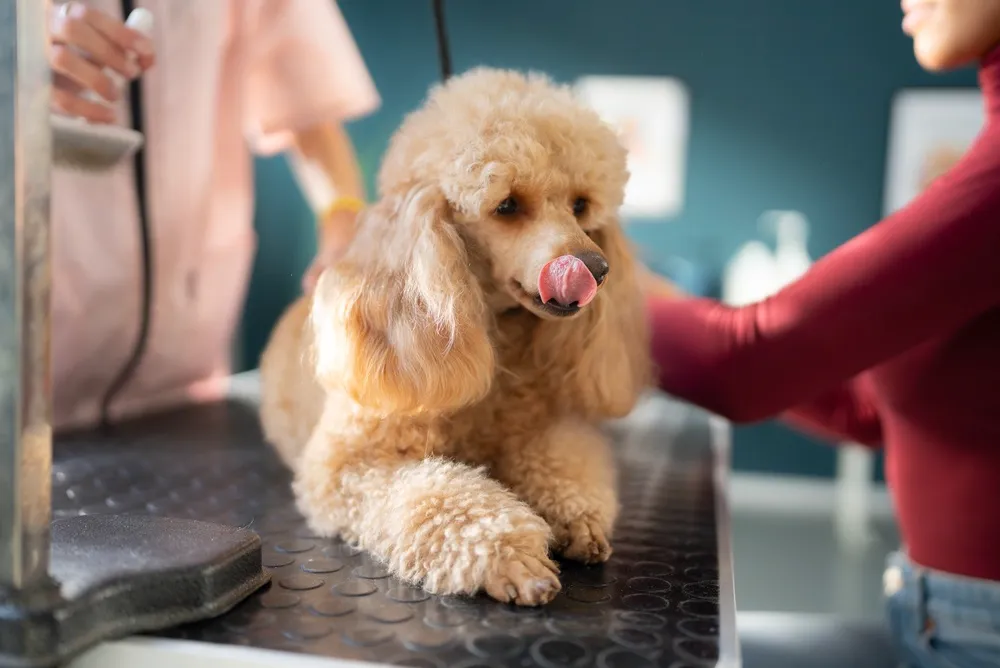
When people think about dog health, nutrition and exercise often get most of the attention, but grooming deserves a place on that list, too. Regular brushing, baths, nail trims, and dental care can help support your dog’s comfort.
The right grooming routine will depend on your dog’s coat type, activity level, and lifestyle. Some dogs need frequent brushing to help manage shedding or tangles, while others require only occasional coat maintenance.
Grooming sessions can double as simple at-home wellness checks. As you brush your dog, take a moment to look for changes in their skin, coat, or body condition. New lumps, bumps, or other noticeable changes are worth mentioning to your veterinarian. And if grooming feels overwhelming, remember that professional groomers and veterinary teams can help keep your dog’s routine on track.
Dental care is another often-overlooked piece of essential dog health care. Frequent toothbrushing can support oral health, and many dog parents find that establishing a routine early makes the process easier over time. Dental treats and chews can also be helpful, fun ways to manage your dog’s oral health.
Vet visits, vaccines, and parasite protection
Regular veterinary visits are an important part of essential dog health care. Wellness exams allow your veterinarian to monitor your dog’s overall health, discuss any changes you’ve noticed, and help guide care decisions as your dog moves through different life stages. Puppies and senior dogs often benefit from more frequent check-ins, while many healthy adult dogs visit annually.
Vaccinations are another key piece of preventive care. They help protect dogs against serious diseases such as rabies, distemper, and parvovirus. Your veterinarian can recommend a vaccination schedule based on factors like your dog’s age, lifestyle, and local risks.
Year-round parasite prevention is also important. Heartworms, fleas, and ticks can affect dogs in many parts of the country, including areas where these pests remain active for much of the year. A veterinarian can help you choose a prevention plan that makes sense for your dog’s needs and environment.
Emotional well-being and family bonding
One of the many reasons people love dogs is their social nature—they thrive on connection, attention, and shared experiences, making play, affection, and everyday interaction essential for helping them feel secure and engaged.
Consistency can be especially valuable. Predictable routines around meals, walks, playtime, and rest help many dogs know what to expect from their day. Positive reinforcement training can also help build confidence while strengthening communication between you and your dog. Even a few minutes spent practicing cues, playing a favorite game, or relaxing together can reinforce your bond.
Help Support Your Pup with Nom Nom
Every dog deserves meals that bring excitement to their day. Along with regular exercise, routine veterinary care, grooming, and plenty of quality time together, thoughtful nutrition is crucial for supporting your dog’s overall well-being.
Nom Nom’s vet-developed recipes are made with high-quality ingredients that are prepared individually and gently cooked at their optimal temperatures. The result is complete and balanced nutrition in meals that look as good as they taste. It’s food that helps make mealtime something your dog can genuinely look forward to.
If you’re looking for a convenient way to serve your pup nutritious food, explore Nom Nom’s meal plans and find a recipe that fits your dog’s needs. Because caring for your dog starts with the everyday choices that help them live a vibrant, enriching life.