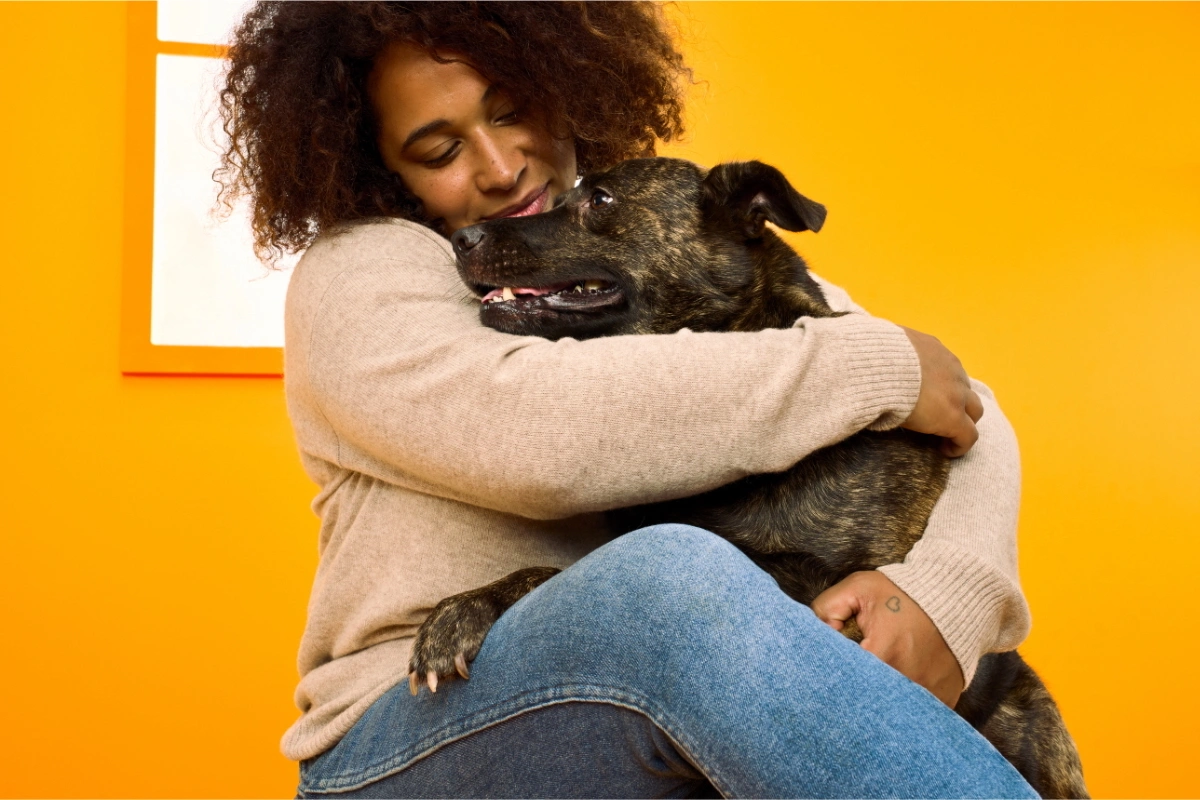
Dog parents go the extra mile to support their pup’s needs, from satisfying their nutritional requirements and taste preferences, to obediently fetching their ball—again and again—from under the couch. That’s because they’re consciously tuning in to their pup’s unique ways of expressing themselves, and responding with clarity and empathy.
Dog parents also value open communication. Sure, dogs may not speak in complete sentences, but we know there’s still meaning behind every bark, bay and whimper. Even if that meaning is just “Squirrel! Squirrel! Squirrel! Squirrel!”
Want to learn about how to further enhance communication with your dog and strengthen your interactions? We’re here for you, dog (parents).
______________________________________________________________________________________________________________________________________
HOW TO SPEAK YOUR DOG’S LANGUAGE
BARKING
The most common form of vocal communication for dogs, It can mean many different things depending on the context, tone and frequency.
-
Excited Barking: High-pitched, rapid barks often indicate excitement or happiness. This is common when greeting you at the door or during playtime.
-
Alert Barking: A series of short, sharp barks usually signals that your dog is alerting you to something. This could be a visitor at the door or an unusual noise outside.
-
Attention-Seeking Barking: Dogs may bark to get your attention, often in a repetitive and persistent manner. This can happen when they want to play, go outside or need food.
-
Fearful Barking: A fearful or anxious bark is typically higher-pitched and may be accompanied by growling. It can occur when your dog feels threatened or scared.
-
Territorial Barking: Lower-pitched, sustained barking is often a sign that your dog is feeling territorial or protective. This can happen when strangers or other animals approach their home.
GROWLING
A more complex vocalization that can have different meanings based on the context and accompanying body language.
-
Warning Growl: A deep, rumbling growl often indicates that your dog feels threatened and is warning someone or something to back off. This is often accompanied by a stiff body posture and bared teeth.
-
Playful Growl: During play, dogs might emit a playful growl, which is usually higher-pitched and less intense. This type of growl is often seen during tug-of-war or roughhousing and is accompanied by a wagging tail and relaxed body.
WHINING
A common sound that dogs make to express a variety of emotions and needs.
-
Attention-Seeking Whine: Dogs often whine to get your attention, whether they want to play, go outside or engage in a snuggle sesh. This whining is usually persistent and occurs when they feel ignored.
-
Anxiety Whine: A high-pitched, continuous whine can indicate anxiety or stress. This might happen during thunderstorms, fireworks or when your dog is left alone.
-
Pain Whine: If your dog is whining while showing signs of discomfort or injury, it could indicate that they are in pain. This requires immediate attention to determine the cause and provide relief.
HOWLING
An ancestral behavior that dogs have retained from their wolf ancestors. It can serve several purposes.
-
Communication: Dogs may howl to communicate with other dogs over long distances. This is more common in breeds like Huskies and Beagles.
-
Attention-Seeking: Some dogs howl to get your attention or express loneliness, especially if they are left alone for extended periods.
-
Response to Sounds: Dogs often howl in response to certain sounds, such as sirens or musical instruments, as a form of mimicry or curiosity.
OTHER SOUNDS
Dogs can also make softer sounds that express their mood and comfort levels.
-
Sighing: A long, deep sigh is often a sign of contentment and relaxation. Your dog might sigh when they settle down for a nap or after a satisfying play session.
-
Grumbling: A low grumble or “talking” sound can indicate mild frustration or annoyance, but it can also be a playful expression, especially in breeds known for being vocal, like Huskies.
______________________________________________________________________________________________________________________________________
Effective communication with your dog involves understanding their signals, using clear and consistent cues, and building a relationship based on trust and respect. By tuning into their vocalizations and responding appropriately, you can enhance your bond and ensure a harmonious coexistence.
Remember, the key to successful communication is empathy and patience, as well as a genuine desire to meaningfully connect with your dog.
FOR MORE TIPS FOR CONSCIENTIOUS DOG PARENTS (YES, THAT’S YOU!) CHECK OUT THE FOLLOWING ARTICLES:
- Understanding Your Dog’s Physical Cues
- Nurturing the Person/Pup Bond