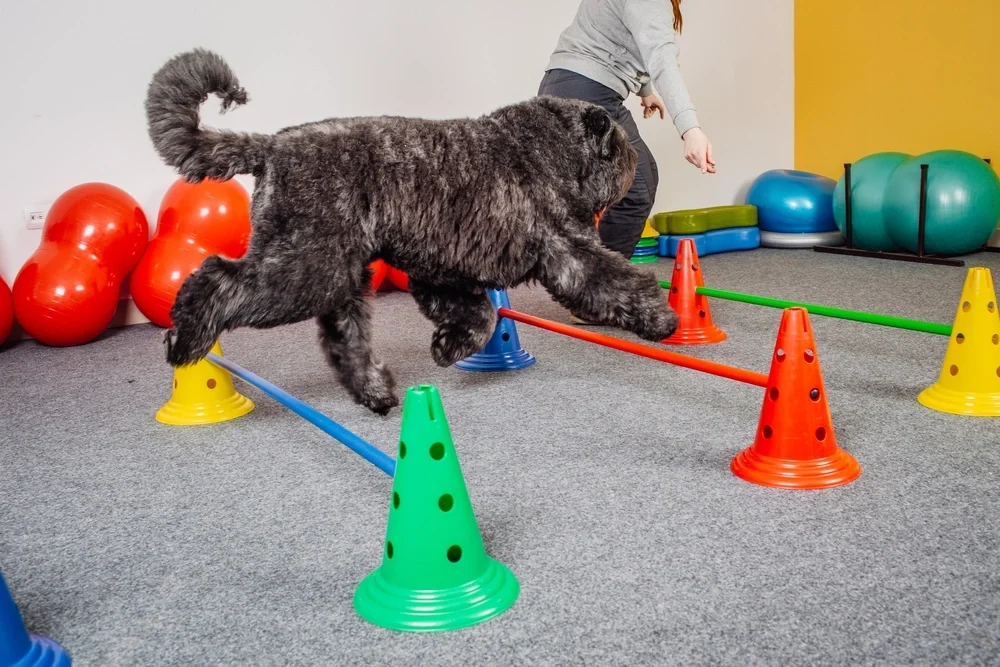
Every dog needs regular exercise to stay happy, healthy, and full of life. Physical activity not only keeps your dog’s body strong but also provides vital mental stimulation that helps reduce boredom and unwanted behaviors. From supporting cardiovascular health and joint strength to maintaining a healthy weight and supporting longevity, exercise plays a major role in your dog’s overall well-being.
That said, the amount and type of exercise a dog needs can vary widely. Breed, age, and health are all factors that determine what’s best for your pup. And just as nutrition fuels your dog’s activity, a well-balanced diet, like Nom Nom’s gently-cooked meals, helps provide the right energy and nutrients to play, explore, and thrive.
Understanding Your Dog’s Exercise Needs
There’s no single rule for how much exercise every dog needs. A high-energy working breed like a Border Collie won’t have the same requirements as a laid-back Basset Hound. Understanding your dog’s background and health helps create a routine that suits their body and mind.
Breed-Specific Exercise Requirements
Different breeds were developed for different purposes: herding, hunting, companionship, or work, which influences how much exercise they need.
-
High-energy breeds such as Huskies, Border Collies, Terriers, and Labrador Retrievers typically benefit from up to a couple of hours of vigorous activity each day, depending on their individual needs. These dogs excel at running, agility training, or long hikes.
-
Moderate-energy breeds like Cocker Spaniels, Dachshunds, Bloodhounds, and Corgis benefit from a mix of walks, play, and short bursts of intense activity.
-
Low-energy or companion breeds such as Pugs, Bulldogs, or Toy Poodles may prefer shorter walks and gentler play sessions, but they still need daily movement and mental stimulation to stay healthy.
Puppy and Senior Dog Exercise Considerations
Puppies are full of energy but have developing bones and joints, so their exercise should consist of multiple short sessions throughout the day. A few five- to ten-minute playtimes, gentle walks, and opportunities to explore safely help build stamina without strain.
Senior dogs, on the other hand, often slow down but still benefit greatly from consistent, low-impact exercise. Short walks, swimming, or light fetch help keep their joints mobile and minds sharp. Always observe your dog’s comfort level and talk to your vet about any changes in activity tolerance.
Medical Considerations for Exercise
Dogs with certain medical conditions may need modified routines. Joint problems like hip dysplasia, arthritis, or obesity can make high-impact activities uncomfortable. In these cases, consider alternatives like swimming or hydrotherapy, which provide excellent cardio exercise with minimal joint stress. For dogs with heart or respiratory issues, shorter walks and frequent rest breaks are ideal. Always consult your vet before starting new exercise routines, especially if your dog has an existing condition.
Types of Exercise for Dogs
Dogs thrive on variety. A mix of physical activity and mental challenges keeps their bodies fit and their brains busy.
Outdoor Activities
Outdoor adventures are perfect for active dogs who love to explore. Hiking, swimming, or even joining you on a bike ride can help meet your dog’s exercise needs while strengthening your bond. Working breeds often enjoy specialized sports like dog sledding, draft work, or skijoring. Playing fetch in a safe area or visiting a dog park are also great ways to release energy and socialize.
Indoor Exercise Options
Bad weather or limited space doesn’t have to mean skipping exercise. You can keep your dog active indoors with creative activities like hide-and-seek, tug, or short agility courses using household objects.
Mental Stimulation Games
Mental exercise is just as important as physical activity. Interactive puzzle toys, scent work, or training sessions challenge your dog’s mind while reinforcing positive behavior. Games like hide-and-seek or AKC Scent Work can even help calm breeds engaged.
Learn more ways to enrich your dog’s exercise routine here: Exercise Tricks for Your Dog
Structured Programs and Community Engagement
Joining organized activities can make exercise more consistent and enjoyable for both you and your dog.
Organized Walking Programs and Group Activities
Organized walking programs and community-based fitness activities can encourage regular exercise and help owners stay consistent with their routines. Participating in group walks or local pet-friendly activities also strengthens the bond between people and their dogs while adding a social element to daily exercise. These shared experiences create opportunities to connect with other dog owners who have similar goals and lifestyles.
Socialization Through Exercise
Exercise isn’t only about staying fit, it also plays an important role in healthy socialization. Dog parks, local training clubs, and doggy daycare centers provide opportunities for your dog to meet new friends and practice good manners. Social play helps reduce anxiety, builds confidence, and contributes to overall mental health.
Safety and Precautions
Keeping your dog safe during exercise is just as important as keeping them active.
Weather Considerations
Extreme temperatures can affect your dog’s ability to exercise safely. On hot days, avoid midday walks and make sure your dog stays hydrated. In cold or rainy weather, consider shorter sessions or move exercise indoors. Seasonal changes like daylight savings may also require adjustments to your routine.
Explore safe nighttime exercise tips here: How to Exercise Your Dog After Dark
Safety Equipment
Certain activities call for extra precautions. Use a sturdy harness for running or hiking, and consider doggy life jackets for swimming. Reflective gear or LED collars help keep your dog visible during early morning or evening walks.
Avoid Overexertion in Dogs
Dogs, especially energetic breeds, don’t always know when to stop. Watch for signs of fatigue such as excessive panting, limping, or reluctance to continue. Overexertion can lead to injuries or long-term joint problems. Allow plenty of breaks and always provide fresh water during activity. If you notice these signs or have concerns about your dog’s exercise tolerance, consult your veterinarian for guidance.
The Role of Nutrition in Exercise and Energy
Nutrition plays an important role in supporting a dog’s overall health and daily activity levels. Providing complete and balanced meals that include appropriate amounts of protein, vitamins, and minerals helps meet your dog’s basic nutritional needs and supports normal bodily functions. Maintaining proper nutrition is also an important factor in helping dogs maintain a healthy weight.
Nom Nom’s gently-cooked, veterinarian-formulated meals are designed to provide complete and balanced nutrition using real ingredients and carefully portioned servings based on your dog’s profile. When paired with regular exercise and routine veterinary care, an appropriate diet can support an active, healthy lifestyle.
Keeping Your Dog Happy and Healthy
Every dog deserves a lifestyle filled with movement, exploration, and play. Exercise helps keep your pet strong, mentally alert, and emotionally balanced. Whether you’re raising a playful puppy, keeping a working breed challenged, or caring for a senior companion, tailoring your dog’s exercise to their unique needs ensures they live a long, happy life.