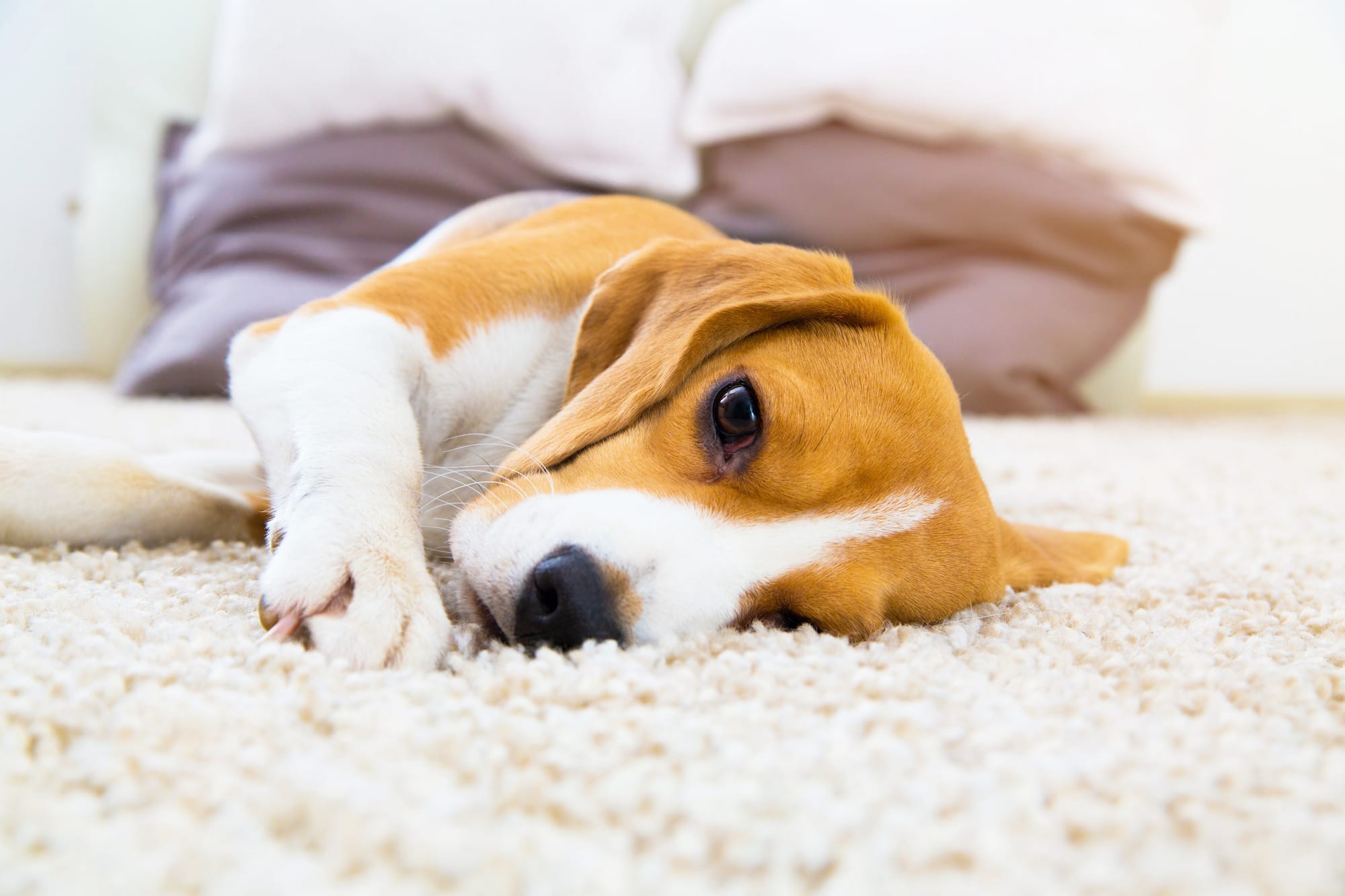
So, you switched your dog’s food to a fresh food diet to give them a healthier and happier life. Great work.
That said, dietary changes of any type can cause temporary digestive distress to your dog, even when you’re switching to a healthier option. The good news is that with an appropriate transition and some patience, your dog will be over the hump in no time.
Why is my dog having digestive issues?
Your dog’s health is influenced by his microbiome (the delicate balance of microorganisms that make up his gut). Switching food can cause a temporary destruction to that microbiome, even if you’re switching to a food that will be much better for your dog in the long run.
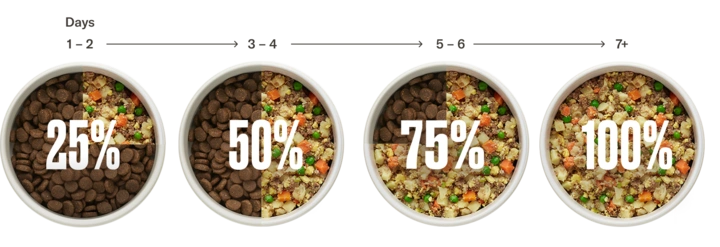
We recommend making the shift to new food slowly, rather than having your dog go off his old food cold turkey. After your dog has had time to adjust, you should begin to see positive changes.
What if it’s not the food?
Sometimes, it’s not a food change at all. Here are some other reasons your dog could have an upset stomach that you should rule out first:
- A new baby in the house
- A recent move
- A new pet in the home
- New medications that could be causing symptoms (talk to your vet to explore this possibility)
What symptoms commonly accompany a food switch?
Diarrhea
Pet parents transitioning to fresh food may notice changes in their dog’s poop consistency during the first week or so. While some may have firmer stools, some may experience diarrhea and need to go more often, another product of an adjusting microbiome.
Poop color changes
You may also notice changes in poop color. This is totally normal since your pet is eating new ingredients. But if your pet experiences dark, bloody stool or diarrhea that lasts longer than three days, you should talk to your vet.
Vomiting
Your puppy’s new diet contains a higher fat content than many commercial kibble dog foods. Each recipe is carefully formulated to include healthy fats and oils that promote coat health and facilitate growth in your pet. Your dog vomiting once or twice is normal when transitioning to fresh food, but you should take your dog to the vet if vomiting is persistent, severe, and lasts longer than three days.
Regurgitation
Your dog may simply be really excited to eat his delicious new food and inhale it too quickly. If this is the case, look into puzzle feeding bowls to help slow down the eating process.
Appetite decrease
Most dogs appreciate the flavor and freshness of their new food but some are picky eaters and may be unsure of a new diet, or may prefer a different recipe. If your pet seems uninterested regardless of recipe, other factors may be at play. If you switched to a fresh diet due to a pre-existing condition, talk with your vet if your pet is not eating.
How can I help my dog get through his tough tummy times?
Try mixing half of your dog’s Nom Nom meal with an equal portion of rice or potato.
Put your dog on a temporary fast to help his digestive system reset. Pull food for 12 to 24 hours, then try giving your dog half a meal. Remember to limit treats during this transition and to plan around any medications.
Remain consistent about feeding your dog at designated meal times.
When do I need to take my dog to the vet?
If your pet is vomiting or has diarrhea for more than three days, or has symptoms accompanied by lethargy, you should talk to your vet about the transition.
If your dog suffers from a serious medical condition, such as advanced kidney disease or pancreatitis, they may require a more stringent diet, and Nom Nom may not be the right fit. Remember to consult your veterinarian before changing his diet.