
Eveline Coquelet // Shutterstock
Written by: Nicole Caldwel
A quality diet is essential for the long-term health of any animal, and our dogs are no exception. Any nutritionally balanced dog diet relies on six elements: carbs, fats, minerals, proteins, water, and vitamins.
The nutritional content of the food your dog consumes will affect his or her mood, behavior, overall health, and longevity. A 2007 study on how nutrition impacts canine behavior found the brain, nervous system, and every metabolic process inhibited by inadequate nutrition. And because a dog’s behavior is a direct result of what is occurring in its central nervous system, good nutrition is paramount to a well-behaved, high-functioning, happy dog who can enjoy many quality years.
There are plenty of dog foods out there, but not all are created equal. A meal plan for pets is highly individualized and can depend on variables such as age, weight, or underlying conditions. Nom Nom compiled a list of 15 things to watch for when buying dog food, from vet-recommended brands to artificial additives to avoid.
At the top of the list are considerations like the freshness and nutritional value of the food dogs eat, along with recommendations from a trusted veterinarian. Depending on the health and current status of your dog, secondary considerations such as dry or wet food and the frequency of meals may be important.

SvetikovaV // Shutterstock
Your vet’s recommendations
The person most intimately connected to the status of your dog’s health is your pet’s veterinarian. These trained professionals are well aware of medical histories, physical or behavioral issues, and conditions that may have afflicted your pet whether weight-control issues or ear infections. Always consult a veterinarian who has seen your dog before switching dog food brands or making selections on your own—they will be able to advise you on ingredients to avoid or special considerations for your dog’s specific needs.

Nataliya Schmidt // Shutterstock
Freshness
The way to make dog food shelf-stable is by adding preservatives. Fresh foods with shorter shelf lives often mean higher nutritional content and fewer additives—two great bonuses to your dog’s health.
To avoid the typically higher costs of fresh food, some pet owners go the route of preparing dog food themselves. This can be time-consuming and dangerous, as at-home cooking lacks the nutritional testing that is regularly administered to commercial diets. Any home-cooked meals for your dog should be in accordance with guidance from a veterinary nutritionist.
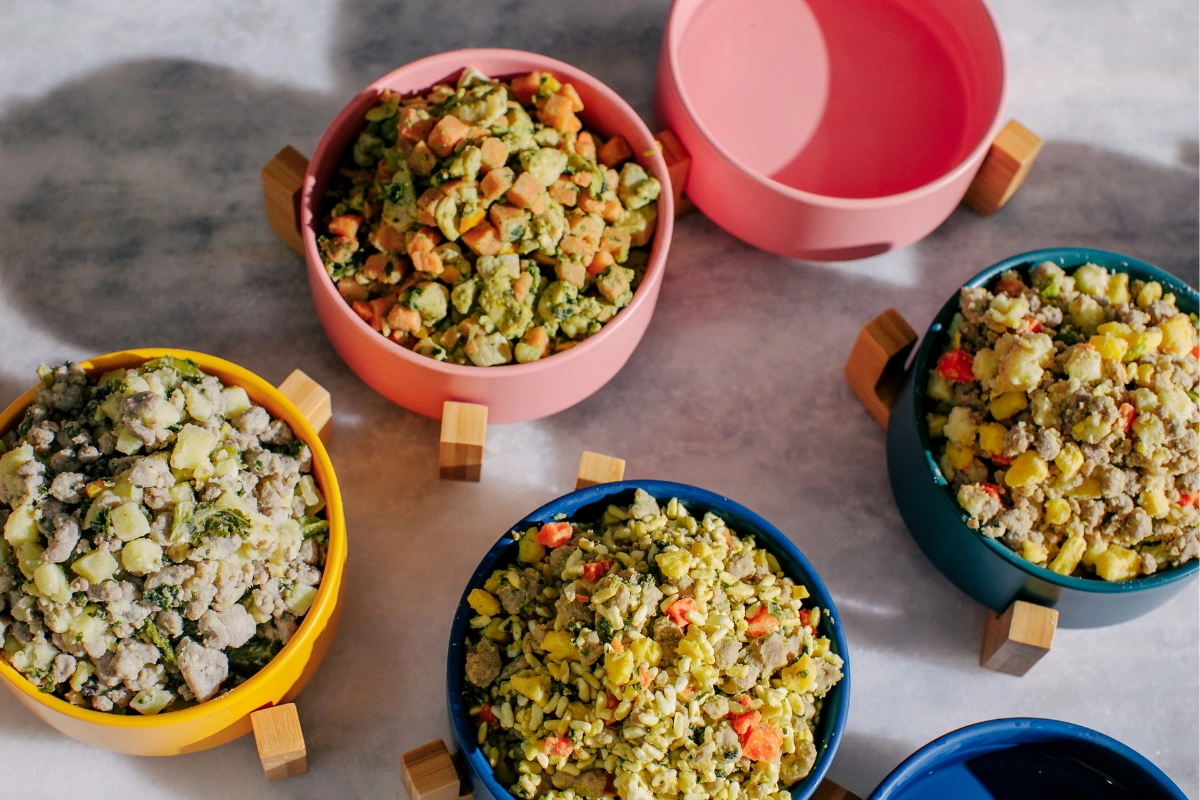
Today, there are a number of fresh food services that will deliver directly to your front door. If you go that route, make sure the service works with veterinary nutritionists to advise on portion size, ingredients, and more.

alexi_tm // Shutterstock
Guaranteed analysis
Many states call for pet food to clearly state minimum and max percentages: specifically, guaranteed minimum percentages of crude fat and protein; max percentages of moisture and crude fiber. Virtually all dog food labels now carry this information, with many manufacturers further offering additional nutritional guarantees like minimum calcium or maximum ash.

Twin Sails // Shutterstock
Nutritional adequacy statement
The Association of American Feed Control Officials (AAFCO) is a voluntary organization of feed-control officers throughout the U.S. who establish base-level regulations for pet foods, including optimal guaranteed analysis, recommended ingredients, and other labeling guidelines for pet food. AAFCO’s nutritional adequacy statements on pet foods confirm that the food you’re getting is fully optimized for dogs.

Jaromir Chalabala // Shutterstock
Fats
Fat is an essential energy source that is integral to cell structure, absorption of fat-soluble vitamins, and even hormone production. Keep an eye out for good fats that are unsaturated (such as whole animal ingredients), and high in omega-3 and omega-6 fatty acids.

Best dog photo // Shutterstock
Breed- and weight-specific food
A Newfoundland has totally different nutritional requirements from a Chihuahua, and an overweight dog needs a vastly different diet from a dog in need of some additional pounds. Always be mindful of your dog’s specific needs.

Angyalosi Beata // Shutterstock
Age-appropriate food
Like your dog’s breed and weight, age is a big determiner for nutritional needs. What kind of food—and how much of it—you feed your dog will depend on their age. For senior dogs, many foods offer additional support for things like joint pain.

Fayzulin Serg // Shutterstock
Properly sealed packages
Any dog food that comes without proper packaging or that has broken seals should not be consumed by your dog, as the food could have been tampered with or lost its freshness. Opened containers may also have other ingredients or contents added to them, rendering their nutritional information inaccurate or invalid.
Africa Studio // Shutterstock
Whole proteins as first ingredients
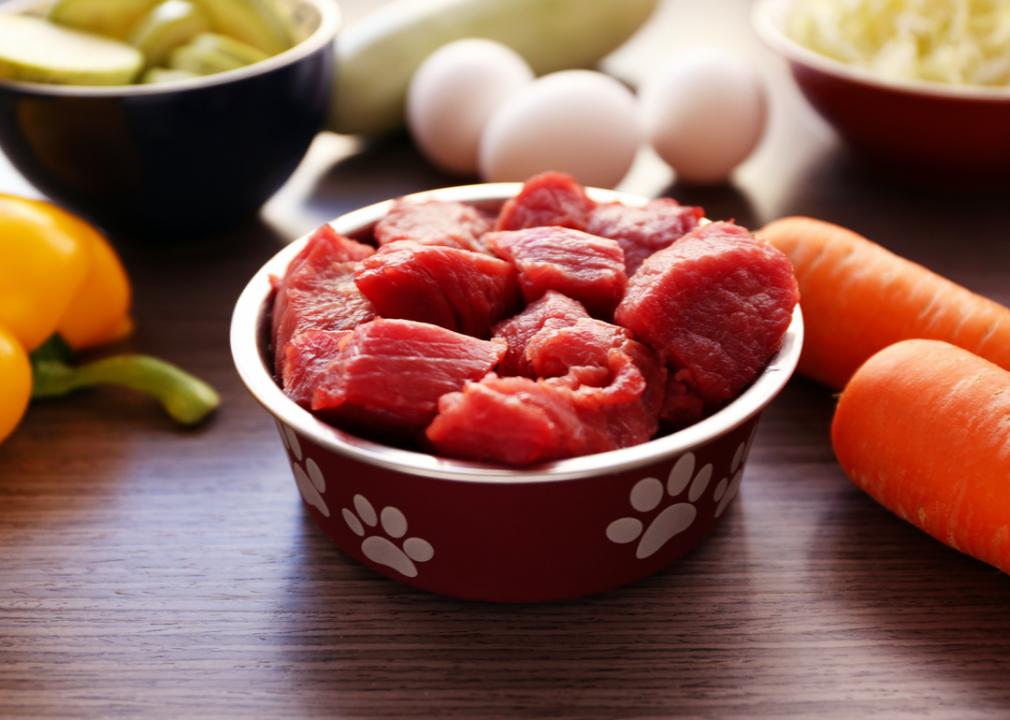
Any food you feed your dog should have whole proteins listed as the first ingredients, such as ground beef, diced chicken, or dried yeast. Steer clear of dog foods listing chicken flavor, natural flavor, or soybean meal up at the top.

Dvorakova Veronika // Shutterstock
Whole veggies and fruits
Similar to proteins on ingredient labels, keep an eye out for whole vegetables and fruit like sweet potatoes, carrots, spinach, and even blueberries. Whole produce can help with everything from shiny coats to improving eyesight.

Lucia Romero // Shutterstock
A lack of artificial sweeteners, colors, flavors, or preservatives
Certain preservatives can trigger responses in your dog’s metabolism that can lead to weight gain and diabetes, while artificial sweeteners and flavors can add undue amounts of sugar to a pet’s diet. As with human food, keep an eye out for ingredients you can pronounce—not to mention readily recognize.

New Africa // Shutterstock
Ingredients that don’t include corn and soy
Corn, soy, and other grains in and of themselves aren’t inherently unhealthy—they can in fact be beneficial for dogs—but they are also allergens for many dogs, and can lead to weight gain without significant nutritional benefits. If one was to list optimal ingredients for a dog’s food, corn and soy wouldn’t make the top 10.

Pumbastyle // Shutterstock
Brands with veterinary nutritionists/studies to back up the food
Brand longevity doesn’t necessarily mean trustworthiness. Research dog food brands to find those who have conducted their own research and studies, and have a veterinary nutritionist on staff.

otsphoto // Shutterstock
Food that meets your dog’s activity level
Does your dog guard a chicken coop, horse barn, or acres of rolling fields? Or do you take your pet for a short walk a few times a day? How much energy a dog expends every day will provide a lot of insight into the specific nutrients needed to support that lifestyle.

Jaromir Chalabala // Shutterstock
Price point
In the world of dog food, you get what you pay for—but that doesn’t mean you have to break the bank to get basic, healthy nutrients into your pet. At baseline, research average monthly dog food costs for the breed and age you’re interested in before bringing that dog home. From there, you can set a budget for reliable food that will ensure optimal nutrition for your pet without having to cut corners. You should never be in a position where you’re unable to support your pet’s overall health.