Introduction
Has your dog been prescribed amoxicillin? This is a common antibiotic that many vets use in dogs and cats. It is very effective at treating multiple conditions and is a very safe and inexpensive choice for treating an infection in your dog.
What is amoxicillin?
Amoxicillin is a broad-spectrum antibiotic, part of the penicillin family, that your vet may prescribe to your dog. Broad-spectrum means that this medication can treat a range of bacteria, including gram-negative and gram-positive bacteria.
Amoxicillin works by attacking the formation of the cell wall of the bacteria. This means that it can kill bacteria and even help prevent new bacteria from being able to develop.
Why does my vet prescribe amoxicillin?
Your vet may have prescribed your dog amoxicillin to help with the following conditions:
This may also be given for other reasons, but these are some of the most common issues that vets prescribe this medication.
How do I give my dog Amoxicillin?
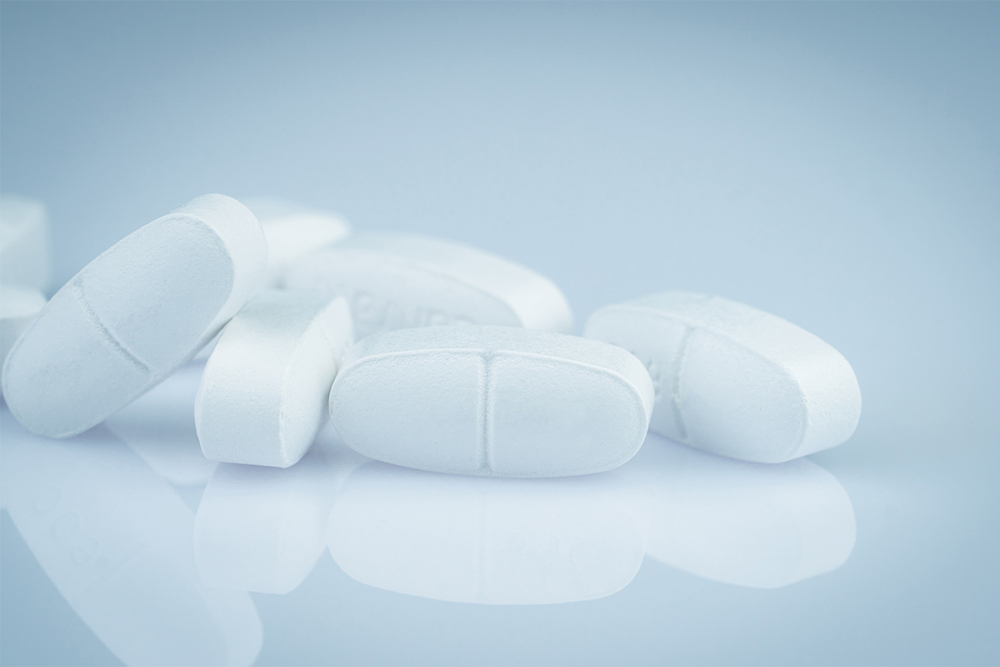
The Amoxicillin medication may be a tablet, a capsule, or a liquid that you give to your dog by mouth. You can hide the tablet in cheese or other food to help encourage your dog to take this medication. Some dogs are great at spitting out the pills, and you may have to place this pill in the back of their mouth. Store the medication at room temperature away from direct sunlight.
If your dog has been prescribed this medication, it is always recommended to give the entire prescription unless your vet tells you otherwise. This helps decrease your chance of causing your dog to develop antibiotic resistance.
Dosing instructions
Amoxicillin is dosed based on your dog’s body weight and what infection your vet is trying to treat. A typical dosage used by many vets is 5 to 10mg per pound. This means a 50-pound dog would need to take 500mg twice a day.
This is usually given for 10 to 14 days. Sometimes this may even be given longer. Amoxicillin starts working in your dog and continues for 12 to 24 hours.
Are there any side effects of amoxicillin?
The most common side effect of your dog taking amoxicillin is with the gastrointestinal tract. If your dog is vomiting, this can be from taking amoxicillin without giving your dog any food. Other signs that are seen are:
- Diarrhea
- Nausea
- Abdominal pain
- Skin irritation
Antibiotics can kill the natural gut flora. Some dogs who experience GI issues when taking antibiotics may be given probiotics to help support the growth of normal gut flora.
If your dog has facial swelling or difficulty breathing after taking Amoxicillin, it is best to stop giving this medication and contact your vet right away as this can be a severe allergic reaction. Usually, these issues will go away after about 24 hours.
Final thoughts: Use Amoxicillin safely, and keep an eye on your furry friend
Amoxicillin is a safe and effective antibiotic that is commonly given to dogs for many different issues. If you are having any issues giving your dog this medication or noticing any side effects of your dog taking this medication, stop giving the medication and call your veterinarian.
Amoxicillin for Dogs FAQs
What is amoxicillin 250 mg used for in dogs?
Amoxicillin 250 mg is commonly prescribed for dogs to treat a variety of bacterial infections. These may include infections of the skin, respiratory tract, urinary tract, and gastrointestinal system. It works by stopping the growth of bacteria and is typically dosed based on your dog’s weight and the severity of the infection. Always follow your veterinarian’s dosage instructions.
Can I use human amoxicillin for my dog?
While human amoxicillin and veterinary amoxicillin contain the same active ingredient, you should never give your dog human medication without veterinary guidance. Human formulations may contain inactive ingredients that are harmful to dogs, and incorrect dosing can lead to serious health issues. Always consult your vet before giving any medication.
Can dogs overdose on amoxicillin?
Yes, dogs can overdose on amoxicillin. An overdose may occur if too much is given at once or if a dog accidentally consumes medication. Symptoms of overdose can include vomiting, diarrhea, drooling, difficulty breathing, and changes in behavior or coordination. Immediate veterinary attention is necessary if you suspect an overdose.
How do you manage overdose and side effects?
If a dog overdoses on amoxicillin or shows severe side effects (like allergic reactions, persistent vomiting, or lethargy), seek veterinary care right away. Treatment may involve inducing vomiting, administering activated charcoal, IV fluids, or other supportive care. Milder side effects like temporary stomach upset can often be managed by giving the medication with food, but always consult your vet for guidance.
Is amoxicillin safe for dogs?
Yes, amoxicillin is generally safe for dogs when prescribed by a veterinarian and used as directed. It’s a widely used antibiotic with a good safety profile. However, like all medications, it can cause side effects in some dogs or interact with other medications. Always follow your vet’s instructions and report any unusual symptoms promptly.